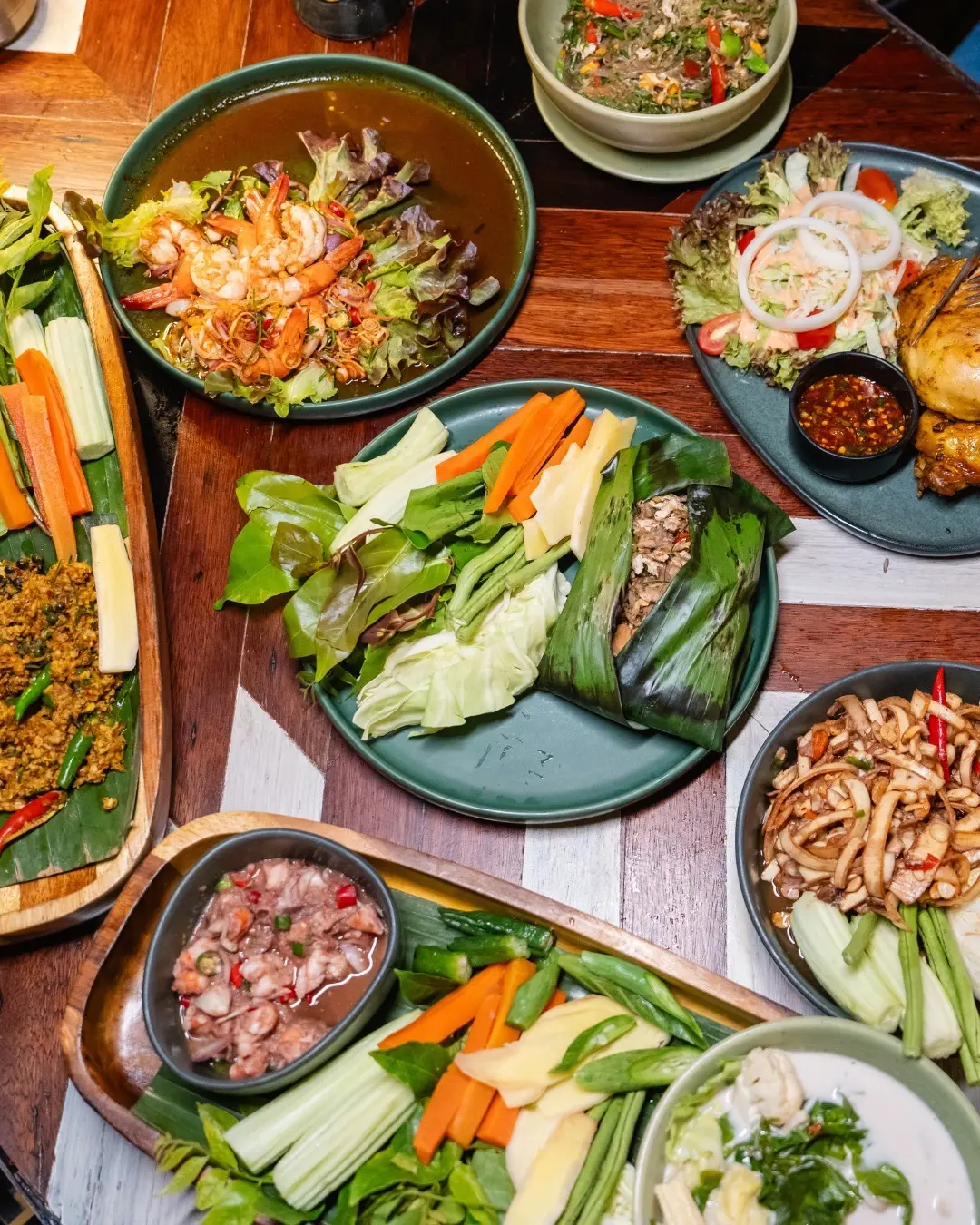
For a first meal at Three Monkeys Phuket, start with one dish you know you enjoy, add something that brings a different flavour or texture and choose the rice or accompaniment that completes the meal. If you are sharing, ask the team about portions before ordering too many similar plates. The current menu is the source for availability and prices; this guide helps you make sense of the choices.
The selection spans Thai, Western, Japanese and Bali-influenced dishes. That gives a mixed group room to eat together without everyone ordering the same style of food. You can explore Southern Thai flavours while someone else chooses a familiar main. There is no requirement to turn the whole table into a tasting challenge.
Start with the meal you actually want
Are you stopping for lunch, settling in for dinner or organising a celebration where cake will follow? The answer changes how you might order. A lighter visit could centre on a main and an accompaniment. A shared dinner can accommodate more variety, but it still helps to build the order around appetite rather than the length of the menu.
Read the descriptions as well as the photographs. Ingredients, cooking methods and sauces give a better indication of the dish than colour alone. If a name is unfamiliar, ask what it tastes like and how it is usually eaten. A specific question about sourness, richness or heat is easier to answer than asking whether a dish is simply good.
Choose a soup by flavour, not just by familiarity
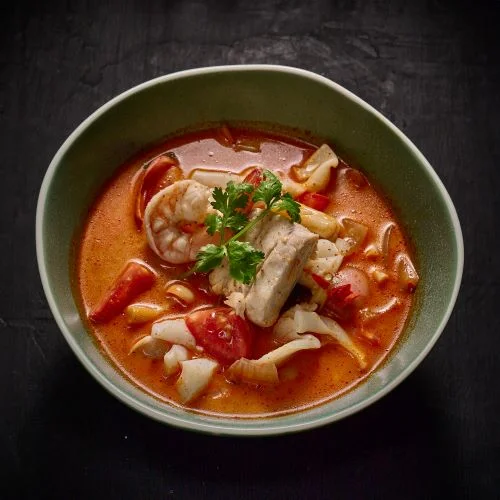
Tom yum is a useful choice when you want a sour, aromatic element in the meal. The menu includes a seafood tom yum as well as coconut-based soup choices. These offer different directions: a bright soup may contrast with a richer main, while a coconut-based dish can become one of the richer parts of the order itself.
Ask which version is being served and what proteins it contains. A soup name does not establish that it is suitable for someone avoiding seafood, dairy or another ingredient. If you are sharing, check the serving size and whether rice is ordered separately. The right amount depends on the rest of the table's order.
Use contrast when choosing shared dishes
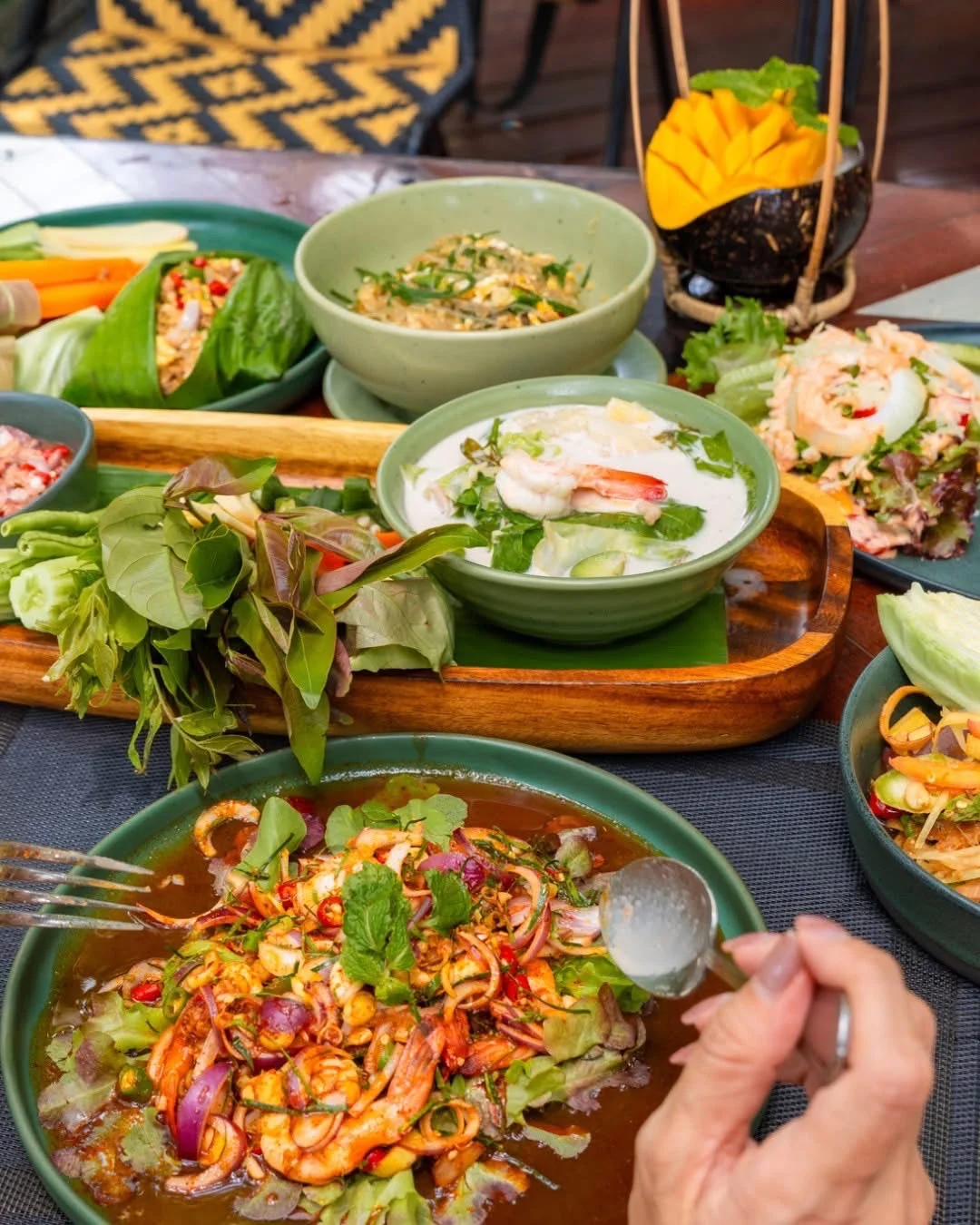
Consider what each dish adds. A crisp vegetable or salad preparation can sit alongside a softer curry or soup. A grilled or fried item brings a different texture from a simmered dish. If everything on the table is rich, creamy or heavily sauced, the meal may feel repetitive even when the names are different.
The menu lists options such as sour curry with fish and coconut shoots, coconut milk soup with prawns and local vegetables, and bitter green bean preparations. These are useful starting points for a conversation about Southern Thai flavours. Ask about heat and ingredients rather than assuming that every regional dish follows the same recipe or spice level.
| If you want… | Look for… | Ask before ordering |
|---|---|---|
| A sour, aromatic element | Tom yum or a sour curry | Protein choice and chilli level |
| A richer part of the meal | A coconut-based soup or curry | Ingredients and serving size |
| A contrast in texture | A vegetable, salad or crisp dish | Dressing, seafood ingredients and heat |
| A familiar individual main | The Western or Japanese sections | Accompaniments and portion guidance |
Make room for a dish you have not tried
Trying something unfamiliar works well when it is one part of a meal you already feel comfortable with. The menu includes fish prepared in bamboo and Thai-style mushrooms in bamboo, which may interest diners who want to explore a different presentation. Read the current descriptions and ask the team to explain the preparation rather than inferring it from the serving vessel.
If you are choosing a whole fish or another dish intended for sharing, ask about bones, serving and quantity. Those practical details can make a bigger difference to enjoyment than whether the dish is described as a signature item. For children or guests unfamiliar with the preparation, a little guidance before ordering is useful.
Agree on spice preferences early
The phrase not too spicy can mean different things to different diners. Explain your preference plainly and ask which dishes are easier to adapt. Some sauces or curry pastes may already contain chilli, so it is better to ask what is possible than to assume every dish can be made completely mild.
For a mixed group, keep stronger dishes separate and choose a few options everyone can share. Do not expect rice, a sweet drink or a garnish to solve a heat level that is uncomfortable for someone. Order for enjoyment, and let the more adventurous diners choose an additional dish if they want it.
Dietary needs need an ingredient conversation
The menu has a vegetarian category, but a vegetable dish's name alone is not proof of vegan suitability. Ask specifically about fish sauce, shrimp paste, oyster sauce, eggs and other ingredients relevant to your needs. The same care applies to stocks, dressings and dipping sauces that may not be obvious in a photograph.
For an allergy, tell the team directly and ask about the actual preparation and handling. Do not rely on a general guide or an online image to establish safety. If the kitchen cannot meet a particular requirement, knowing that before ordering is far better than discovering it after the food arrives.
Pace the meal and leave room for the finish
You do not have to order every possible course at once. Ask how the dishes will be served and whether the meal can be paced in the way you prefer. Shared Thai dishes may arrive differently from a sequence of individual courses, so explain if you are planning around a cake, a photograph or a limited seating period.
Dessert can be a decision for later. The website features options including coconut ice cream and chocolate fondant, while the full menu should be checked for the current selection. If the meal is part of a birthday arrangement, coordinate the cake before adding other desserts. Our birthday planning guide covers that part of the evening.
First-order questions
How many dishes should two people order?
There is no reliable single number without knowing the dishes and appetites. Choose a starting combination and ask the team about portions before adding more.
Do we all have to order Thai food?
No. The menu includes several cuisines. A mixed order can suit a table where people have different preferences.
Are the photographs a fixed set menu?
No. A photographed spread illustrates food at the restaurant. Check individual menu descriptions and any named package to understand what you are purchasing.
Open the current menu, choose a few promising dishes and bring your questions to the table. If the visit is still taking shape, reserve your preferred seating before planning the rest of the meal.